What to Expect from a Professional Home Inspection in West Virginia: WVAHI Standards Explained
Summary of standards of a Home Inspection
1/31/20261 min read
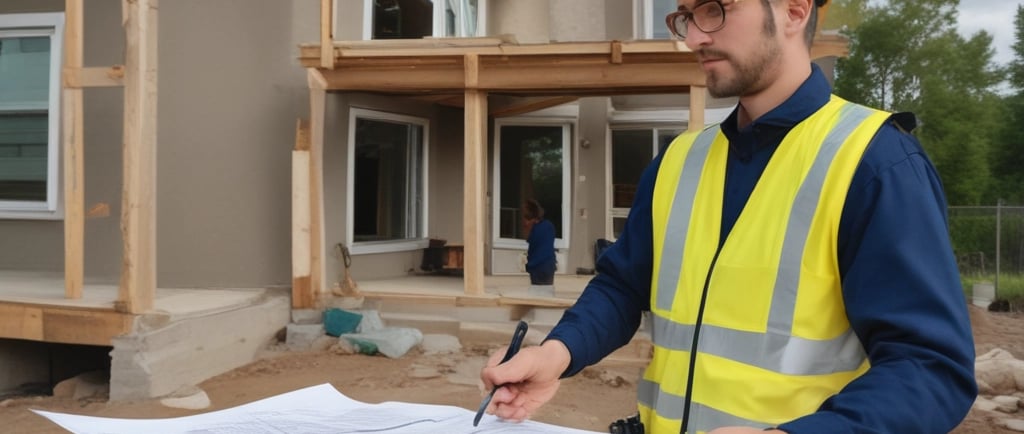
Summary of Requirements form WVAHI.com
General Requirements
Inspectors must visually examine readily accessible installed systems and components.
Provide a written report to the client describing conditions, deficiencies, and recommendations (e.g., suggest specialist follow-up for issues).
Inspections are visual only—no dismantling, probing, destructive testing, or engineering analysis.
Not technically exhaustive; no warranties, predictions of lifespan, or code compliance verification.
Required Systems/Components to Inspect & Report On
Roofing — Coverings, flashings, vents, skylights, chimneys (from ground/safe access; no walking on roof if unsafe). Report damage, leaks, improper installation.
Exterior — Siding, trim, windows/doors, decks/porches/steps, grading/drainage, vegetation issues.
Structural Components / Foundation / Basement / Crawlspace — Visible framing, foundation walls, floors, columns/beams; signs of settlement, cracking, moisture, or structural concerns.
Heating & Cooling (HVAC) — Installed systems (furnace, boiler, AC), ducts (visible parts), vents; basic operation and distribution.
Plumbing — Fixtures, faucets, drains, water heater, visible pipes; functional flow and drainage.
Electrical — Service entrance, panels, wiring, outlets/switches, GFCIs/AFCIs; grounding/bonding issues.
Interiors — Walls, ceilings, floors, doors, windows, stairs/railings; visible damage or safety hazards.
Fireplaces / Chimneys / Solid Fuel Appliances — Visible portions, dampers, hearths.
Attic — Framing, insulation, ventilation (accessible areas only).
Other — Attached garages, basic safety items.
General Limitations & Exclusions (Inspectors are NOT required to)
Inspect hidden/buried components, detached structures (unless specified), or inaccessible areas.
Report on environmental hazards (mold, asbestos, lead, radon—unless added as a separate service).
Test for pests/insects, security systems, pools/spas, irrigation, low-voltage/alarm systems.
Move personal items, predict future conditions, determine insurability/market value, or assess full habitability.
Perform any action that could damage property or be unsafe.
These standards protect consumers by ensuring consistency, but they set a minimum baseline. WVAHI members commit to ethical practices, and many (including you) exceed them with specialized tools/testing.
For the full official text:
Visit the WVAHI site: https://www.wvahi.org/standards-of-practice (references the 2024 version