Winter Maintenance Checklist (Before the Deep Freeze Hits) by Sound Investment Inspections
Sound Investment Inspections
1/31/20262 min read
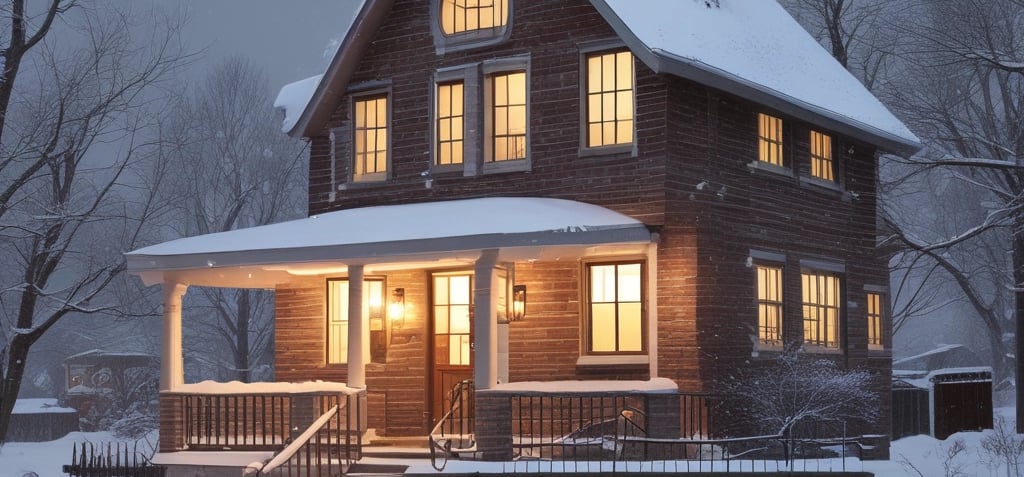
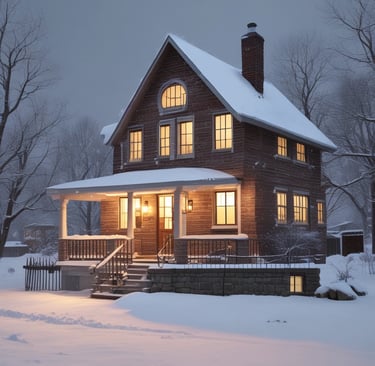
Perform these in late fall or early winter for best results.
Heating System Tune-Up Schedule a professional inspection and service for your furnace, boiler, or heat pump. Change/replace filters monthly during winter. Test thermostat and ensure vents/registers are clear.
Why it's a sound investment: Prevents breakdowns in sub-zero temps, improves efficiency (lower utility bills), and avoids carbon monoxide risks.
Plumbing & Pipe Protection Insulate exposed pipes (especially in crawl spaces, attics, or exterior walls). Drain and shut off outdoor faucets/hoses; use insulated covers. Let faucets drip during extreme cold. For vacant properties, maintain heat above 55°F or fully winterize by shutting off water and draining lines.
Why it's a sound investment: Frozen/burst pipes cause some of the most expensive winter claims—quick prevention saves thousands in water damage repairs.
Roof, Gutters, & Ice Dam Prevention Inspect for damaged/missing shingles, loose flashing, or weak spots. Clean gutters/downspouts thoroughly to ensure proper drainage. Trim overhanging tree branches. Check for ice dam risks (e.g., poor attic insulation causing roof melt/refreeze).
Why it's a sound investment: Clogged gutters lead to ice dams, roof leaks, and foundation damage—early fixes protect structural integrity and resale value.
Windows, Doors, & Insulation Checks Seal drafts around windows/doors with caulk or weatherstripping. Add storm windows if needed. Check attic and wall insulation levels (aim for adequate R-value). Reverse ceiling fans to clockwise (winter mode) for better heat circulation.
Why it's a sound investment: Reduces heat loss (big energy savings) and prevents moisture issues that cause mold or rot.
Exterior & Drainage Inspection Ensure grading directs water away from the foundation. Clear debris from around the home. Check siding for cracks/holes and seal them. Test sump pump (if applicable) and ensure downspouts extend 6+ feet from the house.
Why it's a sound investment: Prevents basement flooding or foundation cracks from snowmelt/ice—common in West Virginia winters.
Safety & Utility Systems Test smoke and carbon monoxide detectors (replace batteries). Inspect chimney/fireplace if used (clean if needed). Check dryer vents for lint buildup. For rentals: Ensure walkways/stairs are clear of hazards (snow/ice removal plan for tenants or contractors).
Why it's a sound investment: Avoids fire hazards, health risks, and liability issues—critical for investment properties.
Ongoing Winter Monitoring After storms: Walk around the property to check for ice buildup, pooling water, loose shingles, or clogged drains. Keep snow cleared from utilities/vents. Monitor for unusual drafts, high energy use, or moisture signs indoors.
Why it's a sound investment: Catches small issues before they become major (e.g., hidden leaks or structural stress).
These checks are straightforward for DIY but recommend pros for HVAC, roof, or chimney work. For investment properties, document everything (photos, receipts) for insurance or tax purposes—it shows proactive management and can boost appeal to future buyers/tenants.